Posts

Showing posts with the label barcode printer

What to Consider Before Purchasing a Barcode Printer
Image
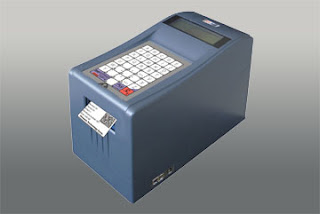
The investment into a barcode printer is an easy way to improve productivity and lower overhead costs. Barcodes reduce human error with the elimination of manual price entry and cuts down on training costs and costs mere pennies per label. These printers are specifically designed to print labels that can easily be attached to products and packaging. Before purchasing one there are things to consider: Size - Barcode printers come in two sizes, desktop and industrial versions. Desktop printers are smaller and can be kept on the desk and come in 2 inch to up to 6 inchlabel widths. These are suited for manufacturing, distribution, healthcare and logistics applications among many others. Resolution - Resolution refers to how sharp the image will be once it's printed. The first step is to determine what you will be printing. A regular resolution printer, 203 dpi, is ideal for printing most barcodes and shipping labels. A higher resolution printer, i.e. 300 or 600 dpi, is needed...

Application of Barcode label printer in Life

In the days before the proliferation of barcodes, businesses large and small relied on clerks to manually input data about packages, ensure inventory control and keep costs down while still maintaining speedy service. Now, basic barcode printing equipment and scanners are commonplace, used by small retail businesses and large manufacturers alike. The barcode printer has become a standard piece of office equipment that no competitive business can do without. Small businesses in particular relied on third-parties to design, create and deliver barcode labels for use in shipping and inventory control. With a barcode label printer , the power is now in the hands of businesses themselves, which leads to reduced costs and increased flexibility. Thanks to this relatively inexpensive technology, barcodes have become standard for a myriad of uses across all industries, helping businesses create unique identifiers as easily as consumers, often using just their smartphones, can read them.